
Prevention of Freezing Pipes: Avoid Frozen Pipe Damage

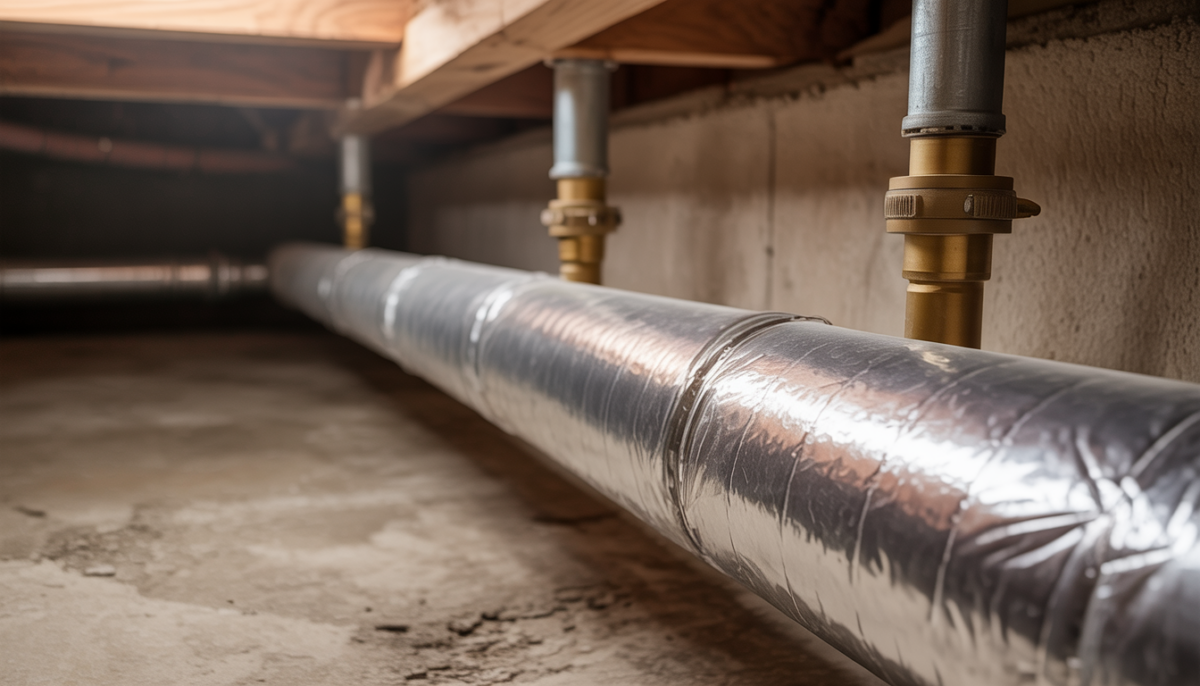
When winter rolls in, your home’s plumbing needs extra care. Frozen pipes can cause leaks or even burst, leading to costly repairs. At Quality Cooling, Heating & Plumbing, we understand the importance of protecting your home from these risks. Our reliable solutions ensure your plumbing stays in top shape, even in the coldest months.
Understanding Why Pipes Freeze
Knowing why pipes freeze helps you take the right steps to prevent it. Here are the main reasons:
- Low Temperatures: When temperatures dip below freezing, water inside pipes can freeze and expand, risking damage.
- Insufficient Insulation: Pipes in unheated areas like basements or garages are more vulnerable without proper insulation.
- Pipe Material: Metal pipes, such as copper or steel, are more susceptible to freezing than plastic ones.
Addressing these factors can help you protect your plumbing system effectively.
Effective Strategies for Pipe Freezing Prevention
Preventing pipes from freezing is crucial to avoid damage and repair costs. Here are some practical tips:
- Keep a Consistent Temperature: Maintain a steady indoor temperature, even when you’re away, to prevent freezing.
- Seal Drafts: Close any gaps around windows and doors to keep cold air out.
- Insulate Exposed Pipes: Use insulation on pipes in unheated spaces. For guidance, see the Do-It-Yourself Savings Project.
- Let Faucets Drip: A slow drip can relieve pressure and prevent freezing.
- Open Cabinet Doors: Allow warm air to circulate around pipes in cabinets.
Immediate Actions for Freezing Temperatures
When temperatures drop, quick action can save your pipes:
- Use a Space Heater: Provide extra warmth in very cold areas.
- Monitor Temperature: Keep your thermostat set above 55°F, even when you’re not home.
- Check for Drafts: Seal any drafts near pipes promptly.
These steps can help you avoid the hassle and expense of frozen pipes.
Handling Frozen Pipes: What to Do
If you find your pipes are frozen, act quickly to prevent further damage:
- Turn Off the Water: Shut off the main water supply to prevent flooding if a pipe bursts.
- Open Faucets: This allows water to flow out as it melts, reducing pressure.
- Apply Gentle Heat: Use a hairdryer or warm towels to thaw pipes, starting from the faucet end.
- Monitor for Leaks: Keep an eye out for any leaks or cracks. If you spot issues, call a professional.
- Contact a Plumber: If you’re unable to thaw the pipes or suspect damage, reach out to us at Quality Cooling, Heating & Plumbing for expert help. For emergencies, visit our 24-hour emergency services.
Fast action can minimize damage and repair costs.
Learn from Real-Life Success Stories
Real-life examples can offer valuable insights. One such case is the Freeze Protection Case Study, showcasing effective methods to prevent freezing.
Key takeaways include:
- Proper Insulation: Essential for maintaining pipe temperature.
- Regular Temperature Checks: Monitor vulnerable areas during cold spells.
- Proactive Measures: Acting before freezing temperatures hit saves time and money.
Implementing these strategies can safeguard your home’s plumbing.
Conclusion: Trust Quality Cooling, Heating & Plumbing
Preventing frozen pipes is crucial for a safe and comfortable home. By understanding the causes and employing the right prevention methods, you can protect your home from potential damage.
Remember these key points:
- Maintain a consistent home temperature and seal any leaks.
- Insulate pipes and act quickly in freezing conditions.
- Thaw frozen pipes safely and seek professional help when necessary.
For homeowners in the Greater Austin and Abilene areas, Quality Cooling, Heating & Plumbing offers dependable services to prevent and address freezing pipe issues. Our community-focused approach ensures your home remains safe and comfortable year-round. Contact us today to learn more about how we can assist you.
 Uncategorized
Affordable Air Conditioner Repair Prices in Georgetown & More
For homeowners in the Greater Austin area and Abilene, knowing air conditioner repair prices is essential. With Texas's…
 Uncategorized
Expert HVAC Tuneup for Texas Weather | Abilene Maintenance
Living in Texas means dealing with a climate that swings from scorching heat to unexpected cold snaps. For…
 Uncategorized
Expert HVAC Repairs for Abilene & Georgetown Homes
Welcome to the heart of Texas, where Abilene homeowners know the value of a comfortable home. At the…
 Uncategorized
Replacing Hot Water Tank in Georgetown, TX & Nearby Areas
Keeping your home comfortable with a reliable hot water system is essential. If your hot water tank is…