HVAC Contractor | Abilene, Cedar Park & Georgetown
SERVING THE GREATER AUSTIN AREA & BIG COUNTRY
24/7 Emergency Service
(325) 676-5152
Abilene
(325) 646-8850
Brownwood
(512) 910-3531
Georgetown

Humidifiers & Dehumidifiers
Central Texas air swings from bone-dry in winter to sticky and humid in summer. Both extremes stress your home, your HVAC system, and your health. Whole-home humidity control solves the problem at the source.
5 Star Rating
4,000+ Verified Reviews
Trusted
Service
5 Star Rating
4,000+ Verified Reviews
Trusted
Service
5 Rating
4,000+ Reviews
Since 1984
Serving Texas
BBB Rated
Accredited
Licensed
#TACLB021422E
All Major
Brands
Same-Day
Service
Why Humidity Control Matters in Texas
Low humidity in winter dries out skin, irritates airways, and causes static electricity. It also dries out wood floors, trim, and furniture. High humidity in summer promotes mold growth, dust mite reproduction, and makes your home feel hotter than the thermostat reads — so your AC works harder to compensate.
The ideal indoor humidity range is 30–50%. Most Central Texas homes swing well outside that range seasonally without whole-home humidity control. Abilene’s dry climate makes winter humidity particularly low, while the Austin metro area sees high summer humidity that strains cooling systems.
What We Install and Service
Whole-Home Humidifiers
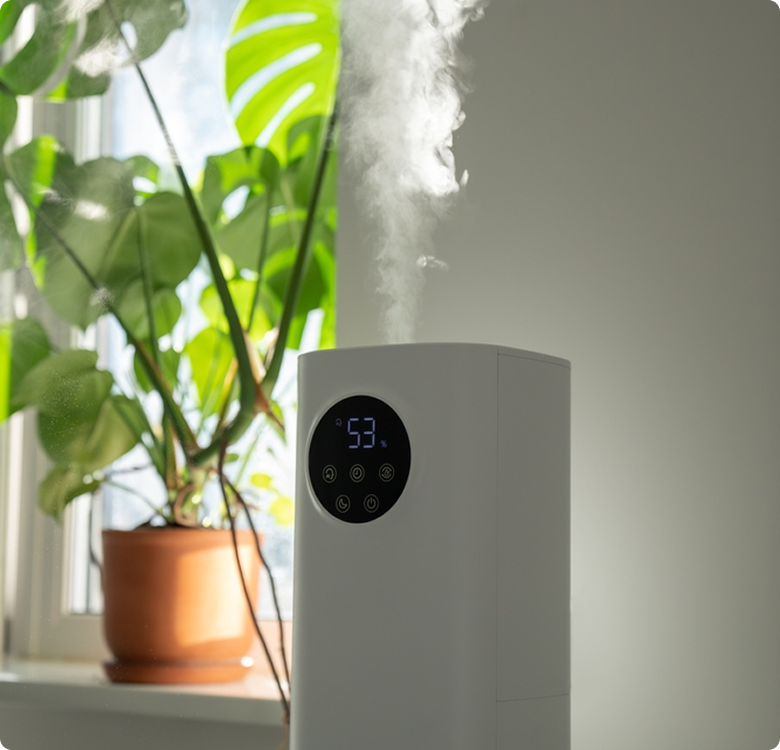
Integrate with your furnace or air handler to add moisture during dry winter months. Protects your home’s wood surfaces and makes heated air feel warmer, reducing heating costs.
Whole-Home Dehumidifiers
Remove excess moisture during humid months. Reduces mold risk, improves comfort, and takes strain off your AC system so it runs more efficiently.
FAQs
Common Questions About Humidity Control
How do I know if my home’s humidity is wrong?
Signs of low humidity: static shocks, cracking wood, dry skin, frequent nosebleeds. Signs of high humidity: condensation on windows, musty odors, mold spots, a clammy feeling indoors. A hygrometer gives you an exact reading.
Will a humidifier reduce my heating costs?
Yes. Moist air feels warmer than dry air at the same temperature. Adding humidity lets you lower your thermostat a degree or two without noticing a comfort difference, which reduces your heating bill.
24/7 Emergency HVAC & Plumbing
Ready for HVAC service from people who actually live in your community?