
Water Heater Troubleshooting in Georgetown & Nearby Areas

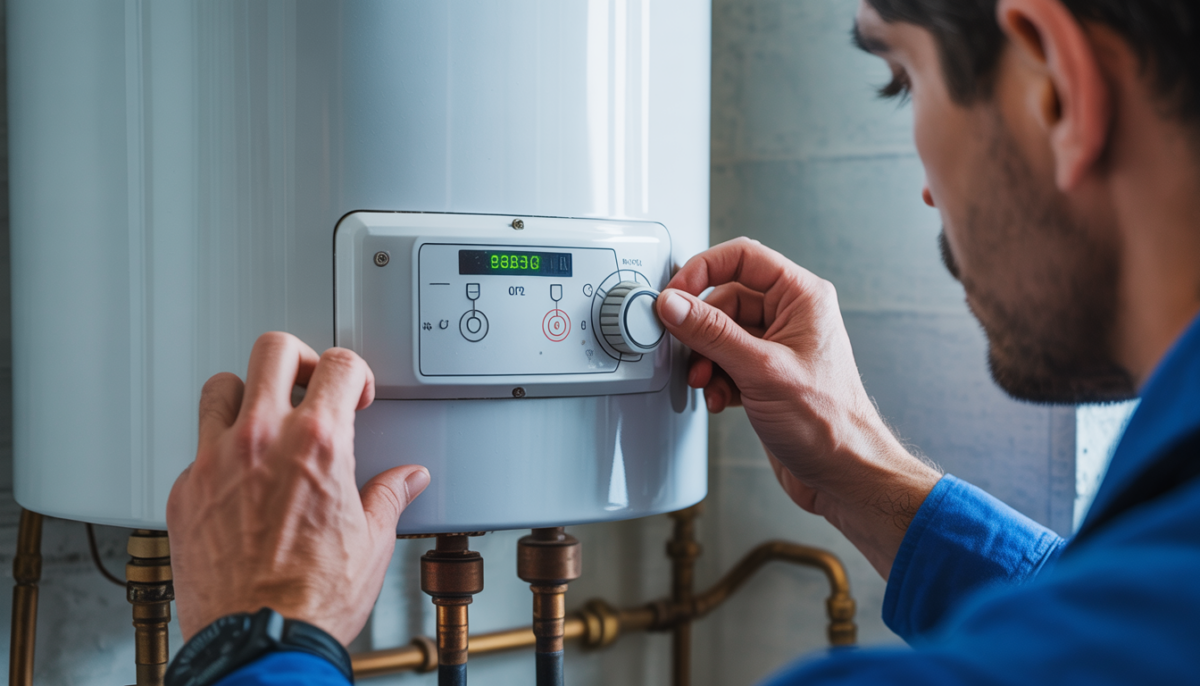
At Quality Cooling, Heating & Plumbing, we understand how important a reliable water heater is for your home. Regular maintenance and quick troubleshooting can keep your system running smoothly, ensuring a steady supply of hot water. We proudly serve homeowners in the Greater Austin area, including Georgetown, Cedar Park, Brushy Creek, and many more locations throughout Texas. This guide will help you identify common water heater issues and provide practical solutions to keep your system in top condition.
Common Water Heater Problems and Solutions
Knowing the typical problems that affect water heaters can help you troubleshoot effectively:
- No Hot Water: Often due to a faulty thermostat, broken heating element, or tripped circuit breaker.
- Strange Noises: Rumbling or popping sounds usually indicate sediment build-up, which requires flushing.
- Leaks: Water pooling around the heater can result from a loose connection or corroded tank.
- Inconsistent Temperature: This might be caused by a malfunctioning thermostat or heating element.
Addressing these issues promptly helps prevent larger problems and keeps your water heater efficient.
Effective Troubleshooting for Georgetown, TX and Surrounding Areas
For homeowners in areas like Georgetown, Cedar Park, and beyond, having a dependable water heater is essential. Here are some tailored tips:
- Strange Noises: Drain the tank to remove sediment build-up. If noises persist, consider professional help.
- Leaks: Check connections and valves for water signs. Tighten any loose parts, but if leaks continue, call a professional.
Regular maintenance is vital for preventing issues. For more information, visit our Georgetown plumbing services page.
Servicing and Repairing Your Hot Water Tank
Maintaining your hot water tank is key to its efficiency and longevity. Here’s how you can manage it:
- Regular Maintenance: Schedule checks to ensure components like the anode rod and thermostat are working properly.
- Repair Needs: Address issues like inconsistent temperatures or noises early to avoid costly repairs.
- Safety First: Always turn off the power before inspecting your water heater. If unsure, contact a professional.
For energy-efficient practices, consider reading the Department of Energy’s guide on selecting a new water heater.
For complex issues, Quality Cooling, Heating & Plumbing is ready to assist, ensuring your home stays comfortable year-round.
Handling Hot Water Tank Leakage
Hot water tank leaks can cause significant damage if not addressed quickly. Here are common causes and solutions:
- Corrosion: Regular maintenance can spot early signs of corrosion, preventing leaks.
- Loose Connections: Tighten pipes and valves to stop leaks.
- Pressure Buildup: Check the pressure relief valve to prevent excess pressure.
To tackle leaks, follow these steps:
- Inspect the Tank: Look for rust or corrosion regularly.
- Tighten Connections: Ensure pipes and valves are secure.
- Check the Pressure Valve: Make sure it’s functioning correctly.
- Call a Professional: Persistent leaks need professional repair or replacement. Visit our water heater leaking guide for more help.
For eco-friendly solutions, visit The Environmental Impact of Different Water Heating Solutions.
Ensuring Efficient Plumbing for Your Water Heater
Good plumbing is crucial for the efficiency and safety of your hot water heater. Here are tips to keep your plumbing in check:
- Regular Inspection: Check plumbing connections for leaks or wear.
- Use Quality Materials: Choose durable pipes and fittings.
- Professional Installation: Hire professionals for correct plumbing connections.
- Monitor Water Pressure: Keep an eye on pressure to avoid stress on connections.
Proper plumbing extends your water heater’s life and reduces issues. For expert services, contact Quality Cooling, Heating & Plumbing.
Addressing Water Leaks from Your Tank
Water leaks from a tank can be stressful. Here’s how to manage them effectively:
- Identify the Source: Locate the leak around the tank, connections, and valves.
- Turn Off the Power: For electric heaters, switch off the circuit breaker. For gas, set the valve to pilot.
- Shut Off the Water Supply: Turn off the cold water valve to stop water flow.
- Drain the Tank: Attach a hose to the drain valve and direct it to a safe area.
- Inspect for Damage: Check for rust or cracks once the tank is drained.
- Consider Repairs: Tighten loose connections or replace faulty valves. For severe damage, seek professional help.
If you’re unsure, contact Quality Cooling, Heating & Plumbing for expert assistance.
Latest Advances in Water Heater Technology
Water heater technology has advanced, making maintenance easier. Here are some innovations:
- Smart Water Heaters: Monitor and control your heater remotely with a smartphone app.
- Energy-Efficient Models: New models use less energy while maintaining performance.
- Hybrid Heat Pump Water Heaters: These are more energy-efficient than traditional models.
- Tankless Water Heaters: Provide on-demand hot water, saving space and energy.
- Advanced Insulation: Better insulation reduces the energy needed to reheat water.
For more on these advancements, visit New Advances in Water Heater Technology.
Stay informed to make better decisions about your water heater. For advice or assistance, reach out to Quality Cooling, Heating & Plumbing for professional guidance.
 Uncategorized
Affordable Air Conditioner Repair Prices in Georgetown & More
For homeowners in the Greater Austin area and Abilene, knowing air conditioner repair prices is essential. With Texas's…
 Uncategorized
Expert HVAC Tuneup for Texas Weather | Abilene Maintenance
Living in Texas means dealing with a climate that swings from scorching heat to unexpected cold snaps. For…
 Uncategorized
Expert HVAC Repairs for Abilene & Georgetown Homes
Welcome to the heart of Texas, where Abilene homeowners know the value of a comfortable home. At the…
 Uncategorized
Replacing Hot Water Tank in Georgetown, TX & Nearby Areas
Keeping your home comfortable with a reliable hot water system is essential. If your hot water tank is…