
Water Heater Not Working? Solutions in Georgetown & Beyond

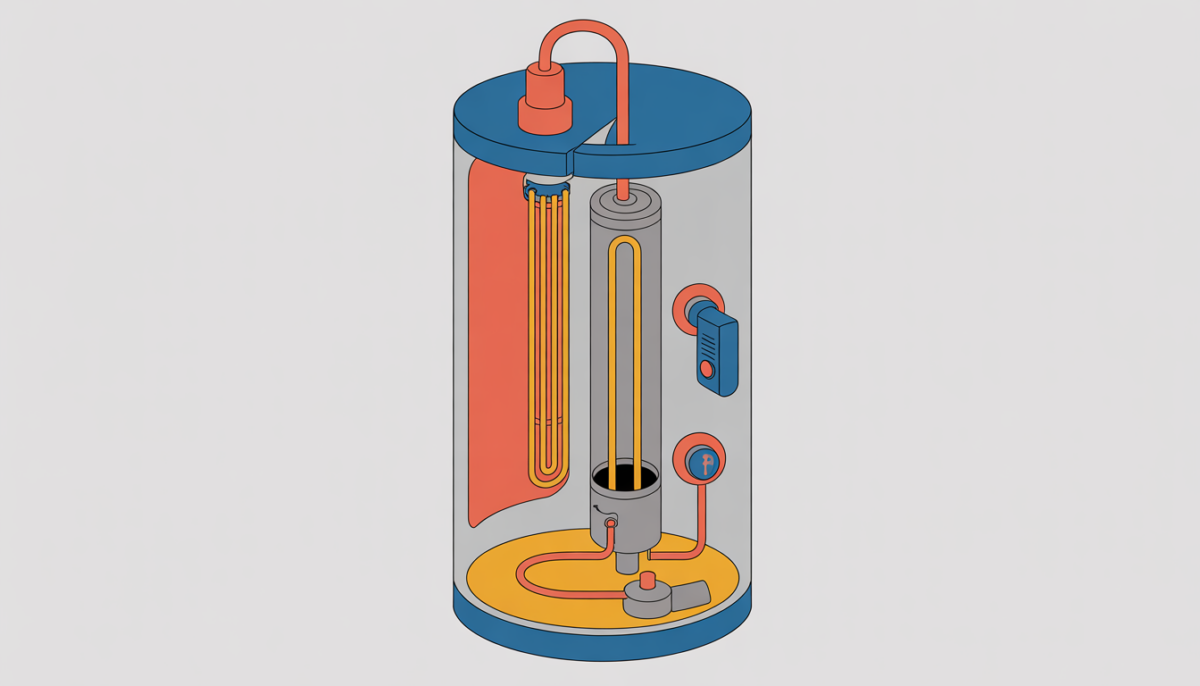
At Quality Cooling, Heating & Plumbing, we know how essential a working water heater is for a comfortable home. Whether you’re in Georgetown, TX, or Abilene, TX, a malfunctioning water heater can disrupt your daily routine. Let’s explore some common issues and maintenance tips to keep your water heater running smoothly.
How Water Heaters Work
Understanding your water heater’s basic operation can help you troubleshoot effectively. Most heaters warm cold water using gas or electricity. For more detailed insights, check out this resource. Knowing these basics can help you spot problems early.
Common Reasons Your Water Heater May Not Work
Identifying common issues can help you address them quickly:
- Pilot Light Problems: In gas heaters, a faulty thermocouple or draft can extinguish the pilot light.
- Thermostat Failures: A malfunctioning thermostat can lead to incorrect water temperatures.
- Sediment Buildup: Minerals can settle in the tank, reducing efficiency and causing noise.
- Electrical Issues: A tripped circuit breaker or blown fuse can cut power to electric heaters.
Hot Water Heater Tank Concerns
The tank is crucial for your water heater’s operation. Common tank issues include:
- Leaks: Corrosion or cracks can cause leaks. Regular inspections can help catch these early.
- Rust: Rusty water might indicate a corroding tank, signaling it’s time for a replacement.
- Insufficient Hot Water: A small tank might not meet your household’s needs, suggesting an upgrade.
Troubleshooting Tips
Before calling us at Quality Cooling, Heating & Plumbing, try these steps:
Immediate Actions
- Check Power Supply: Ensure your heater is powered. For electric units, check the breaker; for gas, ensure the pilot light is on.
- Inspect Thermostat: Confirm the thermostat is set to your desired temperature.
- Look for Leaks: Check around the heater for any water, indicating a possible issue.
- Check for Sediment: Flushing the tank can remove sediment buildup and improve efficiency.
When Your Water Heater Stops Working
If your heater stops completely, consider these steps:
- Reset the Unit: Use the reset button to see if it resolves the issue.
- Inspect Pressure Relief Valve: If malfunctioning, it might need replacement.
- Call a Professional: If these steps don’t help, reach out to us for expert assistance.
Pressure Relief Valve Issues
The pressure relief valve is vital for safety. Common problems include:
- Leaking Valve: This might indicate excessive pressure or a faulty valve.
- Frequent Activation: Could signal overheating or high pressure.
Regular maintenance can prevent these issues. Address any valve concerns promptly to ensure safety.
Handling Water Leaks
Water leaks can cause damage and disrupt hot water availability. Here’s how to manage them:
- Inspect Connections: Ensure all pipes are secured tightly.
- Examine the Tank: Look for rust or corrosion as signs of a compromised tank.
- Check Pressure Relief Valve: A leaking valve might require professional assessment.
- Monitor for Drips: Use a dry cloth to identify ongoing leaks.
Early detection can prevent bigger problems. For more guidance, visit our guide.
Preventive Maintenance Tips
Regular maintenance extends your water heater’s life. Here are some tips:
- Flush the Tank Annually: Prevents sediment buildup.
- Check Anode Rod: Replace if corroded to prevent rust.
- Test Pressure Relief Valve: Ensure proper function for safety.
- Insulate the Heater: Improves efficiency and reduces energy costs.
For professional maintenance, contact Quality Cooling, Heating & Plumbing. Regular care helps avoid unexpected failures, keeping your home comfortable year-round.
Conclusion
Some plumbing problems can be solved with simple DIY fixes, but recurring leaks, clogged drains, or water pressure issues often require professional help. If you’re dealing with ongoing plumbing problems, it’s best to contact an experienced Georgetown plumber to prevent further damage and costly repairs.
 Uncategorized
Affordable Air Conditioner Repair Prices in Georgetown & More
For homeowners in the Greater Austin area and Abilene, knowing air conditioner repair prices is essential. With Texas's…
 Uncategorized
Expert HVAC Tuneup for Texas Weather | Abilene Maintenance
Living in Texas means dealing with a climate that swings from scorching heat to unexpected cold snaps. For…
 Uncategorized
Expert HVAC Repairs for Abilene & Georgetown Homes
Welcome to the heart of Texas, where Abilene homeowners know the value of a comfortable home. At the…
 Uncategorized
Replacing Hot Water Tank in Georgetown, TX & Nearby Areas
Keeping your home comfortable with a reliable hot water system is essential. If your hot water tank is…