
Tank on Toilet Is Leaking? Find Solutions & Fixes Here

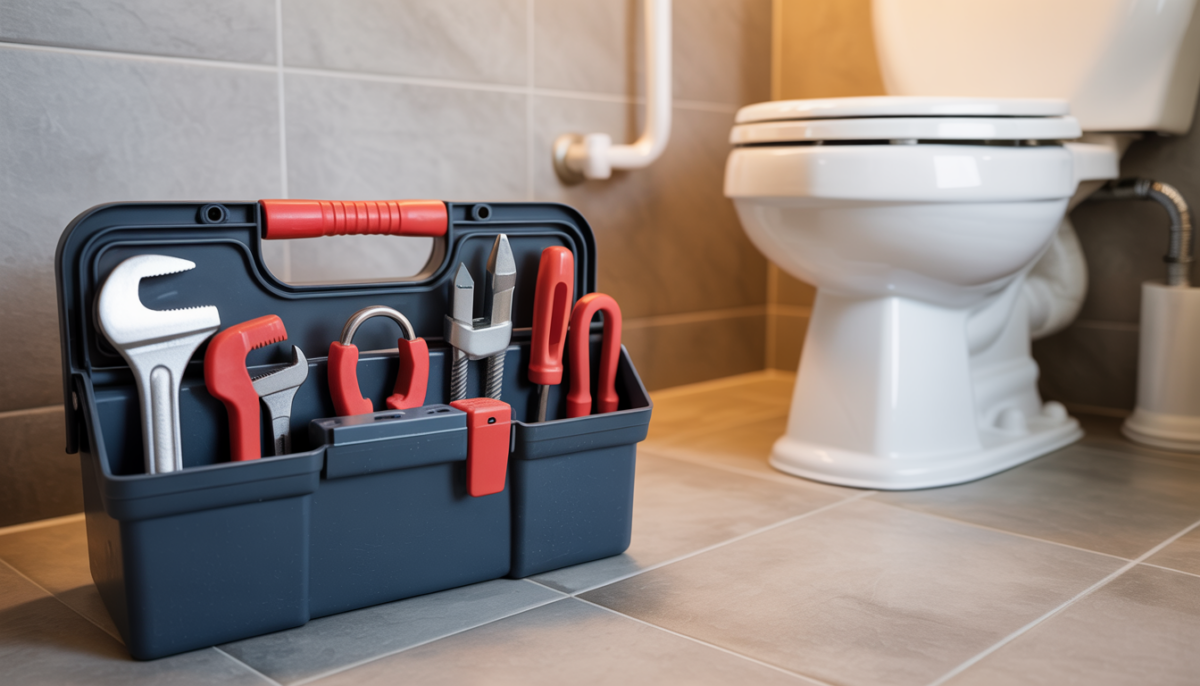
At Quality Cooling, Heating & Plumbing, we understand that a leaking toilet tank can be a real headache for homeowners. Not only can it disrupt your comfort, but it can also lead to water damage and higher bills if not addressed quickly. Let’s help you identify and fix these leaks to keep your home safe and dry.
Spotting the Leak
First, you need to identify where the leak is coming from. Look out for these signs:
- Water on the floor: Puddles around the toilet base can mean a leak from the bottom.
- Inconsistent water levels: Fluctuating water in the bowl or tank often signals a leak.
- Hissing sounds: A constant hissing noise might indicate a leak from the tank.
Try this simple test: Add a few drops of food coloring to the tank and wait 30 minutes without flushing. If the color shows up in the bowl, there’s a leak between the tank and the bowl.
Common Causes and Solutions
Knowing why your toilet is leaking can help you fix it faster. Here are some common causes:
- Worn-Out Bolts: Rusty or loose bolts can cause leaks. Check and replace them if needed.
- Faulty Gaskets: Gaskets between the tank and bowl can wear out. Inspect them and replace if necessary.
- Damaged Wax Ring: This ring seals the toilet to the floor. If it’s damaged, replace it to stop leaks.
To fix these issues, you can:
- Tighten or replace corroded bolts.
- Swap out worn gaskets.
- Install a new wax ring if you notice leaks at the base.
Resolving Flapper Problems
The flapper controls water flow from the tank to the bowl. If it’s faulty, it can cause continuous leaks. Follow these steps to fix it:
- Turn Off the Water Supply: Use the shut-off valve behind the toilet.
- Drain the Tank: Flush the toilet to empty it.
- Check the Flapper: Look for damage or warping.
- Replace if Needed: Remove the old flapper and attach a new one.
- Adjust the Chain: Ensure it’s the right length for a proper seal.
- Turn On the Water: Restore water flow and check for leaks.
Preventive Tips and Maintenance
Preventing leaks can save you money and keep your home comfortable. Here’s how:
- Regular Inspections: Check your toilet and plumbing for wear or damage.
- Tighten Connections: Secure all fittings to prevent leaks.
- Replace Worn Parts: Swap out old gaskets and wax rings.
- Monitor Water Usage: A sudden bill increase might indicate a leak.
- Professional Maintenance: Schedule regular check-ups with our experts at Quality Cooling, Heating & Plumbing. Learn more here.
Consequences of Ignoring Leaks
Ignoring a leak can harm both the environment and your home:
- Water Waste: Leaks can waste hundreds of gallons daily.
- Structural Damage: Persistent leaks can damage floors and walls.
- Mold Growth: Moisture from leaks can lead to mold, which is harmful and hard to remove.
- Higher Repair Costs: Delaying repairs can lead to costly damage.
For more insights, visit The Cascading Effects of Water Leaks.
Protect Your Home
Address leaks promptly to prevent serious damage. Here’s how you can protect your home:
- Regular Inspections: Check for signs of leaks regularly.
- Quick Repairs: Fix leaks immediately to prevent further issues.
- Professional Help: Unsure about the leak? Contact a professional plumber. Our team at Quality Cooling, Heating & Plumbing is here to help. Explore our services or emergency services.
Learn more about potential floor damage from leaks here.
Conclusion
Don’t let a leaking toilet tank disrupt your home. Regular maintenance and swift repairs are key to a safe and comfortable living space. If you’re dealing with a leak, reach out to Quality Cooling, Heating & Plumbing , Georgetown plumber for professional assistance. We’re committed to keeping your home in top condition.
 Uncategorized
Affordable Air Conditioner Repair Prices in Georgetown & More
For homeowners in the Greater Austin area and Abilene, knowing air conditioner repair prices is essential. With Texas's…
 Uncategorized
Expert HVAC Tuneup for Texas Weather | Abilene Maintenance
Living in Texas means dealing with a climate that swings from scorching heat to unexpected cold snaps. For…
 Uncategorized
Expert HVAC Repairs for Abilene & Georgetown Homes
Welcome to the heart of Texas, where Abilene homeowners know the value of a comfortable home. At the…
 Uncategorized
Replacing Hot Water Tank in Georgetown, TX & Nearby Areas
Keeping your home comfortable with a reliable hot water system is essential. If your hot water tank is…