
Fixing a Leaking Hot Water Tank: Easy Steps & Tips

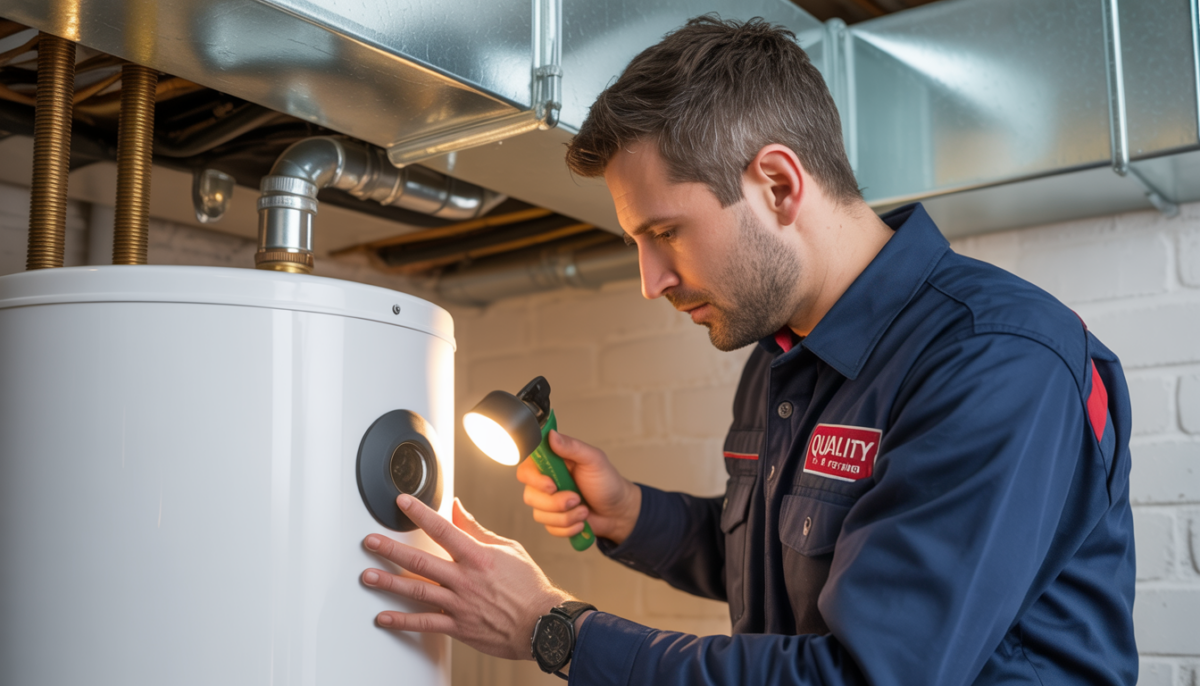
A leaking hot water tank can be a real hassle for any homeowner. Not only can it cause water damage, but it can also disrupt your home’s heating system. At Quality Cooling & Heating, we understand the urgency of fixing leaks quickly to prevent further issues and keep your hot water supply running smoothly. Our team is dedicated to serving the Greater Austin and Abilene communities with reliable solutions.
Finding the Leak
Before you can fix the leak, you need to pinpoint where it’s coming from. Here are some signs your hot water tank might be leaking:
- Water pooling around the base
- Strange noises like hissing or gurgling
- Reduced water pressure
- Rust or corrosion on the tank’s exterior
To safely check your tank and locate the leak, follow these steps:
- Turn off the power supply to the tank to avoid electrical hazards.
- Shut off the water supply to stop further leaking.
- Inspect the tank for any visible signs of leaks.
- Check the water heater drain valve, a common leak source. For detailed guidance, visit Water Heater Leaking from Bottom Guide.
Once you’ve identified the source, you can take steps to fix it and prevent future issues.
Fixing a Leak from the Drain Valve
Repairing a leak from the drain valve is a task you can handle with some basic tools. Here’s a simple guide:
- Tools Needed: Adjustable wrench, plumber’s tape, bucket, towel.
- Safety Precautions: Ensure the power is off. For electric heaters, switch off the circuit breaker; for gas heaters, set the thermostat to ‘pilot’.
- Place a bucket under the drain valve to catch any leaking water.
- Use the wrench to gently tighten the valve. If the leak stops, the valve may have been loose.
- If tightening doesn’t work, turn off the water and drain the tank. Open a hot water tap to aid draining.
- Remove the valve with the wrench, wrap plumber’s tape around its threads, and reinstall it securely.
- Refill the tank and check for leaks.
Regular plumbing checks can help prevent these problems. For more tips, visit The Importance of Regular Plumbing Inspections | Pippin Brothers.
Repairing Other Common Leak Sources
Leaks can also come from other parts of your hot water tank. Here’s how to handle some common issues:
- Pressure Relief Valve: If it’s leaking, check the pressure settings and replace the valve if needed.
- Tank Seams: Leaks here may indicate rust or damage, often requiring professional inspection. For help, visit Pipe Repair & Plumbing Solutions.
- Regularly check your tank for rust or moisture.
- Schedule annual maintenance with a professional to ensure optimal system performance.
- Flush your tank periodically to remove sediment that can cause leaks.
For more maintenance advice, visit Water Heater Maintenance – The Home Depot.
Preventive Maintenance Tips
Keeping your hot water tank in good condition prevents leaks and ensures efficiency. Here are some tips:
- Regular Inspections: Check your tank annually for wear or leaks. Look for rust, corrosion, or water around the base.
- Drain and Flush: Sediment buildup reduces efficiency. Empty and clean the tank every six months to prevent damage.
- Check the Pressure Relief Valve: Test it regularly to ensure it’s working. If water doesn’t flow when you lift the lever, it might need replacing.
- Inspect Anode Rods: These prevent rust. Check them every few years and replace if more than half worn.
- Adjust the Thermostat: Set it to 120°F to prevent overheating and save energy.
For more detailed advice, visit Water Heater Maintenance – The Home Depot.
Environmental Impact of Water Leaks
Ignoring leaks can have serious environmental consequences. Even small leaks waste gallons of water, contributing to scarcity and higher bills. Consider these points:
- Water Waste: Leaks strain local water resources.
- Energy Consumption: Leaks make your heater work harder, increasing energy use and your carbon footprint.
- Potential Damage: Unchecked leaks can cause costly home damage.
For more on the environmental impact of leaks, read Environmental Impact of Underground Water Leaks – SLD.
Ensuring Long-Term Solutions
For lasting peace of mind, professional services are key to solving leaks. Here’s why expert help is a smart choice:
- Expertise: Professionals accurately diagnose and repair leaks, preventing future issues.
- Proper Equipment: Experts use the right tools and techniques for safe, efficient repairs.
- Comprehensive Solutions: They address root causes, not just symptoms.
- Time and Cost Efficiency: Professional services save time and money in the long run.
At Quality Cooling & Heating, we provide expert plumbing solutions to keep your hot water tank in top condition. For more on water heater costs and maintenance, visit Water Heater Cost, Replacement & Maintenance.
Conclusion: Keep Your Home Safe and Comfortable
Addressing a leaking hot water tank promptly is essential for a safe, comfortable home. By identifying and fixing leaks effectively, and maintaining your system regularly, you can prevent future issues and extend your water heater’s lifespan.
Remember, timely repairs and regular maintenance are key. For reliable plumbing and HVAC services, contact Quality Cooling & Heating. We’re here to keep your home comfortable and safe, providing peace of mind with every service.
 Uncategorized
Affordable Air Conditioner Repair Prices in Georgetown & More
For homeowners in the Greater Austin area and Abilene, knowing air conditioner repair prices is essential. With Texas's…
 Uncategorized
Expert HVAC Tuneup for Texas Weather | Abilene Maintenance
Living in Texas means dealing with a climate that swings from scorching heat to unexpected cold snaps. For…
 Uncategorized
Expert HVAC Repairs for Abilene & Georgetown Homes
Welcome to the heart of Texas, where Abilene homeowners know the value of a comfortable home. At the…
 Uncategorized
Replacing Hot Water Tank in Georgetown, TX & Nearby Areas
Keeping your home comfortable with a reliable hot water system is essential. If your hot water tank is…