Fix Water Heater Too Hot in Georgetown & Nearby TX Areas

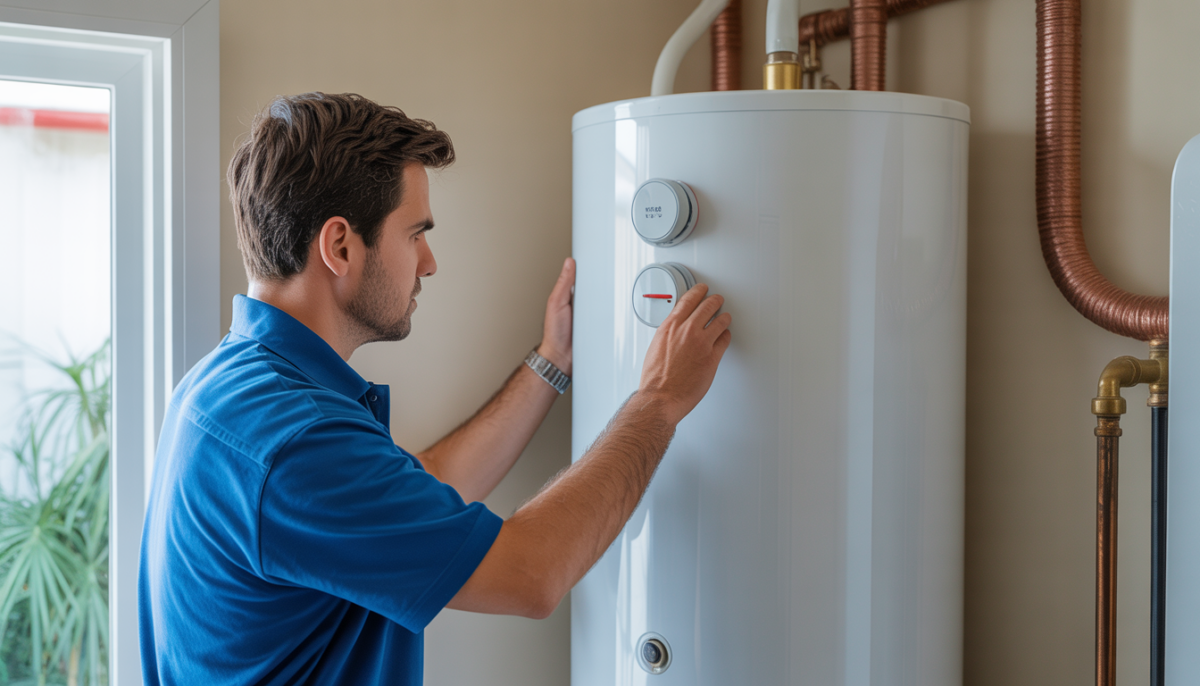
Have you ever turned on your tap expecting a warm flow, only to be met with scalding hot water? This is a common issue for many homeowners in areas like Georgetown, Tx, Cedar Park, and surrounding regions. Maintaining the right water temperature is crucial for both comfort and safety, especially for families with children and seniors.
At Quality Cooling & Heating, we specialize in HVAC and plumbing services to ensure your water heater functions safely and efficiently. Whether you’re in Georgetown, Cedar Park, or nearby areas, we’re here to help keep your home comfortable and secure.
Why Is My Water Heater Too Hot?
Understanding the causes of your water heater’s overheating can help you fix the issue effectively. Here are some common reasons:
- Thermostat Settings: If set too high, the thermostat can cause water to be hotter than desired. Sometimes, the thermostat itself may be faulty.
- Mineral Buildup: Hard water minerals can accumulate in your heater, affecting its efficiency and causing overheating.
- Supply Issues: Problems with electrical or gas supply, like faulty wiring or gas control, can lead to excessive heating.
Addressing these issues promptly can prevent safety hazards and improve efficiency. For expert help, reach out to Quality Cooling & Heating, your trusted local service provider.
Adjusting Your Water Heater Temperature
Setting your water heater to the right temperature is key for safety and comfort. If your water is too hot, here’s how to adjust it safely:
- Turn Off the Power: For electric heaters, switch off the circuit breaker. For gas heaters, set the thermostat to the pilot setting.
- Locate the Thermostat: Usually behind an access panel, remove it with a screwdriver to access the thermostat.
- Adjust the Temperature: Use a flathead screwdriver to set the temperature between 120°F and 140°F.
- Secure the Panel: Once adjusted, replace the access panel securely.
- Restore Power: Turn the power back on or adjust the gas control to your desired setting.
Always take safety precautions to avoid burns or accidents. For more guidance, visit the Department of Energy’s guide on selecting a new water heater.
Regular Water Heater Maintenance
Regular maintenance is essential to prevent overheating issues. Consider these tasks:
- Flush the Tank: Annually remove sediment build-up to prevent overheating.
- Inspect the Anode Rod: Check every few years and replace if corroded to prevent rust.
- Check the Pressure Relief Valve: Ensure it functions correctly to avoid excessive pressure.
These tasks can extend the life of your water heater and enhance its performance. For more tips, see This Old House’s maintenance tips.
Understanding Local Building Codes
Adhering to local building codes is vital for safety and compliance. In Texas, these codes ensure your water heater is installed and maintained to specific standards, preventing accidents and promoting efficiency.
- Building codes ensure safe and efficient water heater operation.
- Compliance helps prevent issues like overheating, avoiding costly repairs.
- Stay updated on local codes as they can change and impact water heater maintenance and installation.
For detailed information on Texas building codes, visit the Texas State Law Library.
Troubleshooting Water Heater Problems
If your water heater isn’t working right, understanding potential issues can help you troubleshoot:
- Water Too Hot: This often relates to thermostat settings. Check and adjust them as needed.
- Cold Water Issues: A lack of hot water might be due to a faulty heating element or power supply issue.
Try these troubleshooting steps:
- Adjust thermostat settings to a safe level.
- Check for visible leaks or damage.
- Ensure the power supply or gas line is connected and working.
- For gas heaters, check the pilot light.
If problems persist, contact a professional to prevent further damage and ensure safety.
When to Call a Professional
Sometimes, it’s best to call in the experts. Here are signs you need professional help:
- Persistent Temperature Issues: If adjustments don’t work, professional attention may be needed.
- Unusual Noises: Banging or popping sounds could indicate serious problems.
- Leaks: Any water leakage should be addressed immediately. Check our guide on water heater leaks for more info.
- Discolored Water: Rusty or cloudy water signals possible corrosion.
- Frequent Pilot Light Issues: A pilot light that keeps going out may indicate a thermocouple or gas supply problem.
Choosing professionals like Quality Cooling & Heating ensures safe and effective solutions. Our team is equipped to diagnose and fix issues, providing peace of mind.
Ensuring Safe and Efficient Water Heating
Maintaining a safe and efficient water heater is crucial for comfort and safety. Here’s how to keep your system running smoothly:
- Adjust Temperature: Regularly check your thermostat to prevent scalding and save energy. Visit the Department of Energy for optimal settings.
- Regular Maintenance: Routine tasks like flushing the tank can prevent overheating. For tips, see Water Heater Maintenance Tips.
- Compliance with Codes: Ensure your practices align with local building codes. Check the Texas State Law Library for more details.
By following these guidelines, you can maintain a safe and efficient water heating system. For any issues or professional assistance, trust Quality Cooling & Heating to deliver expert solutions and ensure your home’s comfort and safety.
 Uncategorized
Affordable Air Conditioner Repair Prices in Georgetown & More
For homeowners in the Greater Austin area and Abilene, knowing air conditioner repair prices is essential. With Texas's…
 Uncategorized
Expert HVAC Tuneup for Texas Weather | Abilene Maintenance
Living in Texas means dealing with a climate that swings from scorching heat to unexpected cold snaps. For…
 Uncategorized
Expert HVAC Repairs for Abilene & Georgetown Homes
Welcome to the heart of Texas, where Abilene homeowners know the value of a comfortable home. At the…
 Uncategorized
Replacing Hot Water Tank in Georgetown, TX & Nearby Areas
Keeping your home comfortable with a reliable hot water system is essential. If your hot water tank is…