
Fix Leaking Hot Water Tank in Georgetown & Nearby TX Areas

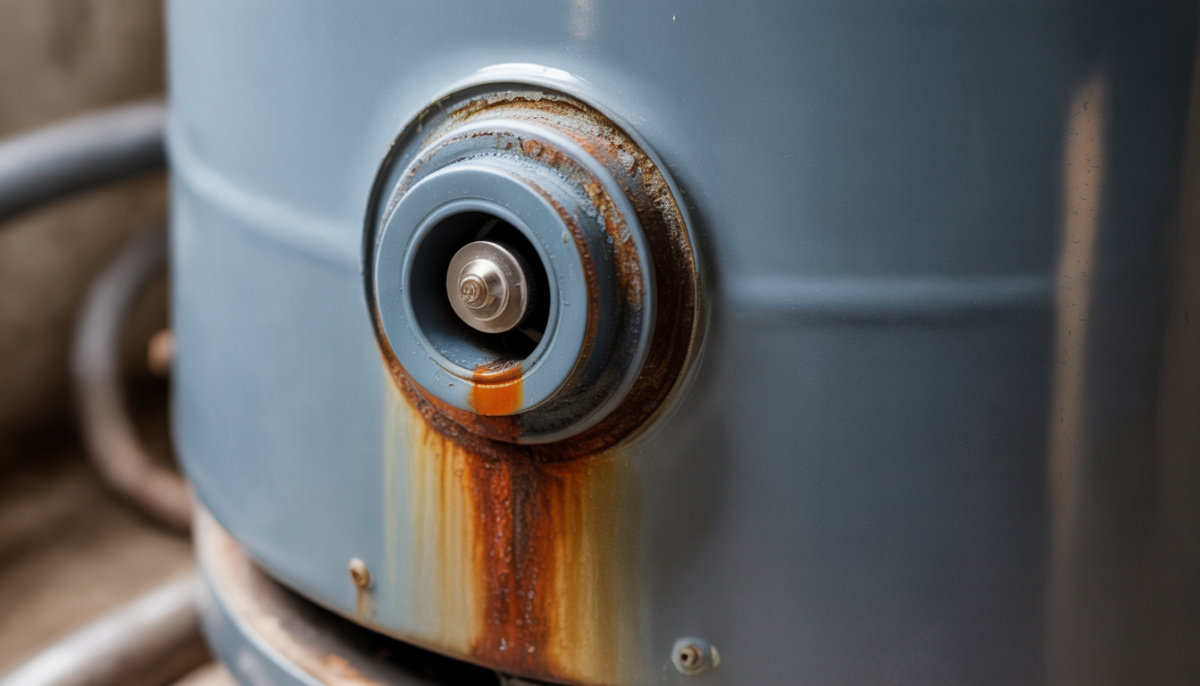
For homeowners in Greater Austin and Abilene, a leaking hot water tank isn’t just a nuisance—it’s a potential hazard. From wasted water and higher bills to possible property damage, addressing leaks promptly can save you from bigger headaches down the road. Let’s explore why leaks happen, how to fix them, and how to prevent them in the future.
Understanding Why Hot Water Tanks Leak
Identifying the root cause of a leak is the first step in fixing it. Here are common reasons your hot water tank might be leaking:
- Corrosion: Over time, exposure to water and minerals can corrode the tank’s metal, leading to leaks.
- Faulty Valves: A malfunctioning pressure relief or drain valve can cause water to escape. Replacing these valves often solves the problem.
- High Pressure: Excessive pressure can force water out through any weak spots in the tank.
For more insights on these issues, check out this detailed guide.
Spotting and Fixing a Hot Water Leak
Early detection of a hot water leak can prevent further damage. Follow these steps to identify and address leaks:
- Check for Water Pooling: Look around the base of your tank for water. This is a clear sign of a leak.
- Listen for Odd Sounds: Hissing or rumbling noises can indicate a leak or pressure issue.
- Inspect Connections: Check all fittings for leaks. Tightening them might resolve small leaks.
- Examine the Pressure Relief Valve: If this valve leaks, it might need replacing, especially if pressure is too high.
For a step-by-step guide on maintaining your water heater, visit This Old House.
Addressing Drain Valve Leaks
The drain valve is a common culprit for leaks. Here’s how to handle it:
- Inspect the Valve: Check for drips. If the valve isn’t fully closed or is damaged, it might leak.
- Replace if Necessary: If tightening doesn’t help, replace the valve. Remember to turn off the water supply and drain the tank first.
- Regular Maintenance: Routine checks can ensure all components are in good condition, preventing future leaks.
Learn more about fixing leaks at The Spruce.
Impact of Leaks on the Environment and Your Wallet
Ignoring a leak can have significant consequences:
- Water Wastage: Even small leaks can waste a lot of water, contributing to scarcity.
- Increased Energy Use: Leaks make your heater work harder, raising energy consumption.
- Higher Bills: More water and energy usage lead to higher utility costs.
According to the US EPA, fixing leaks can save about 10% on water bills, benefiting both the environment and your budget.
Preventing Future Leaks
Keep your hot water system in top shape with these tips:
- Regular Inspections: Look for signs of wear, like rust or corrosion.
- Timely Repairs: Address small issues before they grow.
- Professional Maintenance: Schedule regular check-ups with a trusted service like Quality Cooling & Heating.
- Pressure Regulation: Ensure water pressure stays within safe limits.
These steps can extend your tank’s life and prevent costly repairs. For more maintenance tips, visit Quality Cooling & Heating.
Trust Quality Cooling & Heating
Fixing a leaking hot water tank is crucial for a safe, efficient home. By addressing leaks quickly, you conserve water and avoid further damage. Here’s a quick recap:
- Common causes of leaks include corrosion and faulty valves.
- Identifying and fixing leaks involves checking connections and replacing valves.
- Drain valve issues are common but manageable.
- Ignoring leaks impacts both the environment and your finances.
At Quality Cooling & Heating, we are dedicated to keeping your hot water system in excellent condition. Whether it’s routine maintenance or urgent repairs, our team is here to help. Contact us today for reliable plumbing services and ensure your home stays comfortable and efficient.
 Uncategorized
Affordable Air Conditioner Repair Prices in Georgetown & More
For homeowners in the Greater Austin area and Abilene, knowing air conditioner repair prices is essential. With Texas's…
 Uncategorized
Expert HVAC Tuneup for Texas Weather | Abilene Maintenance
Living in Texas means dealing with a climate that swings from scorching heat to unexpected cold snaps. For…
 Uncategorized
Expert HVAC Repairs for Abilene & Georgetown Homes
Welcome to the heart of Texas, where Abilene homeowners know the value of a comfortable home. At the…
 Uncategorized
Replacing Hot Water Tank in Georgetown, TX & Nearby Areas
Keeping your home comfortable with a reliable hot water system is essential. If your hot water tank is…