
Fix Leak in Water Heater from Bottom in Georgetown, TX & Nearby

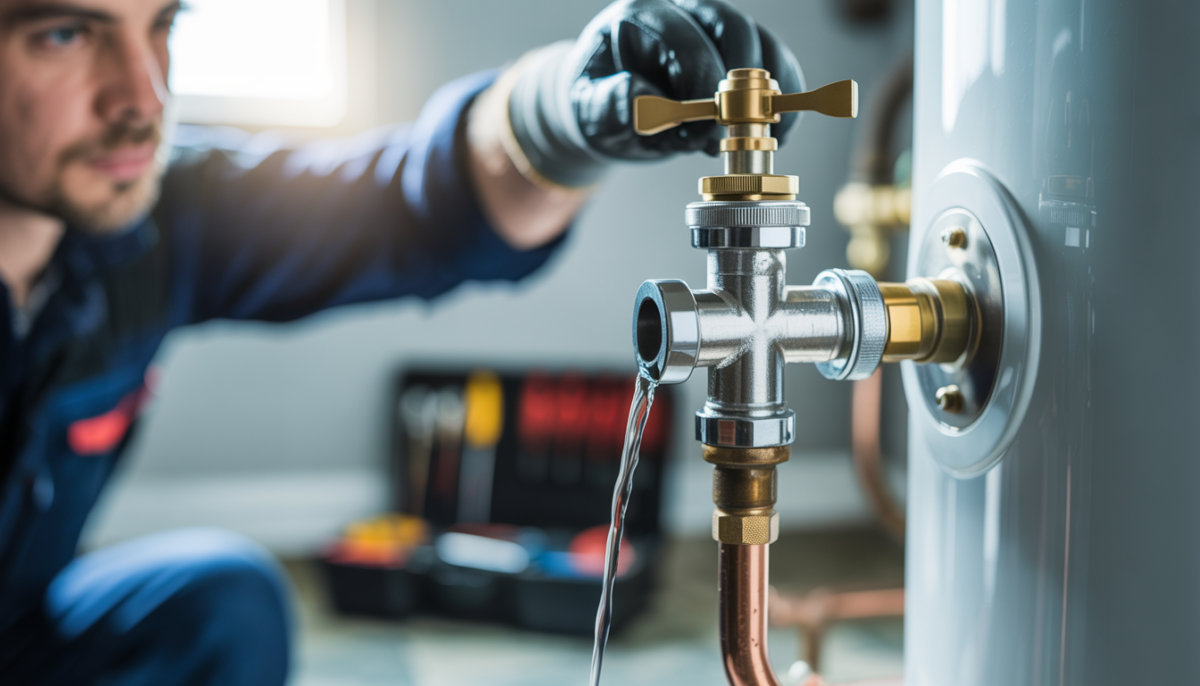
Welcome to Quality Cooling, Heating & Plumbing, your dependable partner for keeping your home comfortable and safe. With our extensive experience, we specialize in top-tier plumbing services for residents in the Greater Austin area and Abilene. We understand the urgency of plumbing issues, especially water heater leaks. Addressing these leaks promptly is essential to prevent further damage and costly repairs.
In this guide, we’ll explore common causes of water heater leaks, effective solutions, and tips to keep your water heater in peak condition. We’ll focus on issues like leaks from the bottom of the water heater, which are common in areas such as Georgetown, TX, Cedar Park, TX, and surrounding communities.
Understanding Water Heater Leaks
Water heater leaks can arise from various issues, and identifying the cause is key to fixing the problem. Here are some typical causes:
- Corrosion: Over time, the tank or its components may corrode, leading to leaks.
- Loose Connections: Fittings and connections might become loose, causing water to escape.
- Faulty Valves: Pressure relief or drain valves may fail, resulting in leaks.
Signs of a leak from the bottom of your water heater include:
- Puddles of water around the heater’s base
- Rusty or sediment-filled water
- Unusual noises from the heater
If you notice any of these signs, it’s important to act quickly. Our services cover various locations, including Georgetown, TX, Cedar Park, TX, and many more. Contact us for professional help to ensure your water heater works effectively and safely.
Steps to Fix a Leak from the Bottom of Your Water Heater
Fixing a leak promptly can prevent further damage and costly repairs. Here’s a simple guide to help you address a leak from the bottom of your water heater safely:
- Turn Off the Power: For electric heaters, switch off the power at the circuit breaker. For gas heaters, turn the gas valve to ‘off’.
- Shut Off the Water Supply: Locate the cold water shut-off valve above the heater and turn it off to stop water flow into the tank.
- Drain the Tank: Attach a hose to the drain valve at the bottom, directing the other end to a safe drainage area. Open the valve to let the water out.
- Inspect for Damage: Look for corrosion, loose connections, or faulty valves. Tighten any loose connections.
- Replace Faulty Parts: If there’s a faulty valve or major corrosion, replacement might be necessary. Refer to your water heater’s manual or contact a professional.
- Refill and Test: Once repairs are complete, close the drain valve, remove the hose, and turn the water supply back on. Restore power to the heater and check for leaks.
For more detailed guidance, visit our Water Heater Leaking from Bottom Guide.
Safety Precautions: Always ensure the power is off before starting repairs to avoid electrical shocks. If you smell gas, evacuate the area and contact a professional immediately.
While some minor issues can be handled at home, it’s best to call a professional plumber if:
- The leak persists after attempting repairs.
- There is major corrosion or damage to the tank.
- You are unsure about any part of the repair process.
Why is My Water Tank Not Heating?
If your water tank isn’t heating, it can be frustrating. Here are some common reasons and tips to fix it:
- Thermostat Issues: Check the thermostat settings. It might be set too low or malfunctioning. Adjust the temperature or replace the thermostat if needed.
- Sediment Buildup: Minerals can accumulate at the tank’s bottom, affecting heating efficiency. Draining the tank can help clear out sediment.
- Faulty Heating Element: For electric heaters, a broken heating element can prevent water from heating. Testing and replacing the element may solve the issue.
- Gas Supply Problems: For gas heaters, ensure the pilot light is lit and the gas supply is uninterrupted. If the pilot light won’t stay lit, there may be an issue with the thermocouple.
For homeowners in Georgetown, TX, Cedar Park, TX, and surrounding areas, regular maintenance and inspections by a professional can help prevent these issues and ensure your water heater functions efficiently. If troubleshooting does not resolve the problem, consider reaching out to a professional plumber for further assistance.
Gas Hot Water Heater Maintenance
Maintaining your gas hot water heater is crucial to prevent leaks and ensure it runs efficiently. Regular maintenance can extend its lifespan and keep your home cozy. Here are some tips to keep your gas hot water heater in top condition:
- Check the Pressure Relief Valve: Test this valve regularly to ensure it releases pressure properly. This can help prevent leaks and potential damage.
- Inspect for Leaks: Regularly check around the base of the heater and the connections for any signs of water. Early detection can prevent bigger issues.
- Flush the Tank: Sediment can build up in the tank, reducing efficiency and causing potential damage. Flushing the tank once a year can help remove these deposits.
- Check the Anode Rod: This rod helps prevent corrosion inside the tank. Inspect and replace it if it’s worn out to make it last longer.
- Adjust the Thermostat: Setting the thermostat to 120 degrees Fahrenheit can prevent scalding and reduce energy consumption.
For more detailed tips, visit Water Heater Maintenance Tips.
Importance of Regular Plumbing Inspections
Regular plumbing inspections are vital for maintaining your home’s plumbing system health. By scheduling routine checks, you can catch potential problems early, saving both time and money in the long run. Here are some key benefits of regular inspections:
- Early Detection: Identifying issues like leaks, corrosion, or faulty valves early can prevent costly repairs and major damage.
- Improved Efficiency: Ensuring that your plumbing system is in top condition means better performance and lower energy bills.
- Safety Assurance: Regular checks can help prevent hazardous situations, such as gas leaks from a gas hot water heater.
For more information on the importance of regular plumbing inspections, you can visit this resource.
Wrap-Up and Call to Action
In conclusion, addressing a leak in your water heater quickly is crucial to prevent further damage. By understanding the common causes and following the steps to fix leaks, you can maintain a safe and efficient plumbing system. Regular maintenance, especially for gas hot water heaters, and routine inspections are key to avoiding surprise problems.
If you’re experiencing plumbing issues or need professional assistance, don’t hesitate to contact Quality Cooling, Heating & Plumbing. Our team is dedicated to providing reliable and expert services to ensure your home remains comfortable and safe. Remember, timely intervention and regular maintenance are vital for a well-functioning plumbing system.
 Uncategorized
Affordable Air Conditioner Repair Prices in Georgetown & More
For homeowners in the Greater Austin area and Abilene, knowing air conditioner repair prices is essential. With Texas's…
 Uncategorized
Expert HVAC Tuneup for Texas Weather | Abilene Maintenance
Living in Texas means dealing with a climate that swings from scorching heat to unexpected cold snaps. For…
 Uncategorized
Expert HVAC Repairs for Abilene & Georgetown Homes
Welcome to the heart of Texas, where Abilene homeowners know the value of a comfortable home. At the…
 Uncategorized
Replacing Hot Water Tank in Georgetown, TX & Nearby Areas
Keeping your home comfortable with a reliable hot water system is essential. If your hot water tank is…