
Fix Clogged Kitchen Sink with Disposal in Georgetown & Nearby

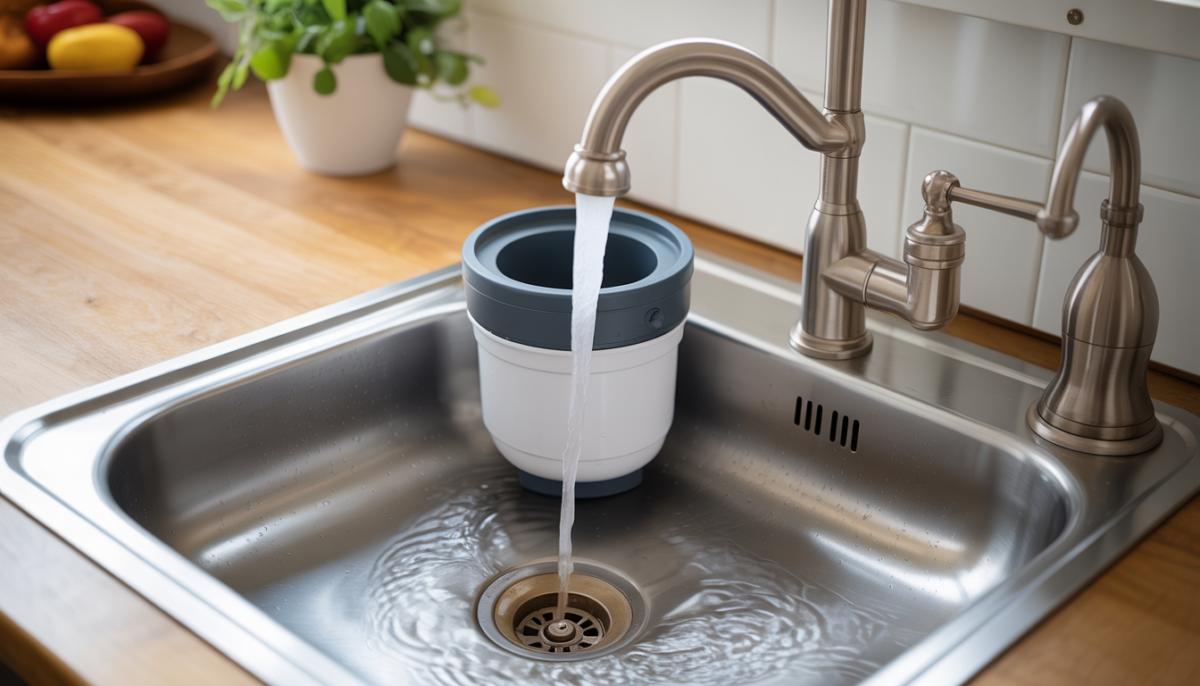
In the Greater Austin area and Abilene, Texas, a clogged kitchen sink with a garbage disposal is a common issue. Whether you’re in Georgetown, Cedar Park, or Round Rock, understanding how your garbage disposal works can help you manage clogs and prevent bigger plumbing problems.
Understanding Your Garbage Disposal
Your garbage disposal helps keep your kitchen clean and reduces food waste. But when it malfunctions, it can lead to a clogged sink. Knowing how it operates is the first step to identifying and solving clog issues. If you’re curious about its workings, this article offers a detailed explanation.
Signs of a problem include slow drainage, strange noises, or unpleasant odors, often indicating a clog in the disposal or pipes. Address these issues promptly to avoid more serious plumbing problems.
Common Causes of Clogs
Understanding the causes of clogs can help you prevent them. Here are the usual culprits:
- Food Waste: Large food pieces or fibrous materials like celery can jam the disposal.
- Grease Buildup: Grease or oil can solidify in pipes, causing blockages.
- Foreign Objects: Items like utensils or dishcloths can accidentally fall into the disposal.
- Improper Use: Overloading the disposal or insufficient water use can lead to clogs.
Regular maintenance and proper use are key to avoiding frequent clogs.
DIY Solutions for a Clogged Sink
If your kitchen sink is clogged, try these DIY methods before calling a professional:
- Use a Plunger: Ensure there’s enough water in the sink to cover the plunger cup, then plunge vigorously.
- Baking Soda and Vinegar: Pour a cup of baking soda and a cup of vinegar down the drain. Let it fizz for 15 minutes, then flush with hot water.
For safety tips on DIY plumbing, refer to Plumbing Safety Tips. If the problem persists, consider professional help.
Snaking a Kitchen Sink Drain
For deeper clogs, snaking the drain can be effective. Here’s how:
- Gather Your Tools: You’ll need a drain snake, also known as a plumber’s auger.
- Prepare the Area: Clear under the sink and have a bucket ready for water spills.
- Disconnect the P-Trap: Unscrew the P-trap to access the drainpipe.
- Insert the Snake: Insert the snake into the drainpipe, turning the handle to break up clogs.
- Reassemble the P-Trap: Once cleared, reattach the P-trap and check for proper drainage.
If the clog remains, professional assistance from Quality Cooling, Heating & Plumbing may be needed.
Eco-Friendly Unclogging Methods
For an eco-friendly approach, consider these methods:
- Baking Soda and Vinegar: A natural solution that helps break down clogs.
- Salt and Hot Water: Helps dissolve grease and buildup.
- Biological Enzymes: Use natural enzymes to break down organic materials.
For more tips, visit Eco-Friendly Ways To Unclog A Drain. Regular maintenance is key to preventing clogs.
When to Call a Professional
Sometimes, professional help is necessary. Here are signs it’s time to call the experts:
- Persistent Clogs: If DIY methods fail, professional intervention is needed.
- Strange Noises: Unusual sounds could indicate a serious issue.
- Water Backups: Water backing up suggests a deeper clog.
- Foul Odors: Persistent smells may mean trapped food or a faulty disposal.
For reliable solutions, reach out to Quality Cooling, Heating & Plumbing.
Maintaining Long-Term Sink Health
Keep your kitchen sink running smoothly with these tips:
- Proper Disposal Use: Avoid fibrous foods and grease. Use cold water to solidify oils.
- Regular Cleaning: Grind ice and salt to clean the disposal. Use lemon juice or vinegar for odors.
- Routine Inspections: Schedule regular checks to prevent major issues.
- Preventive Maintenance: Consider professional services from Quality Cooling, Heating & Plumbing.
Following these steps ensures a well-functioning kitchen sink. Trust the experts at Quality Cooling, Heating & Plumbing for top-notch service.
 Uncategorized
Affordable Air Conditioner Repair Prices in Georgetown & More
For homeowners in the Greater Austin area and Abilene, knowing air conditioner repair prices is essential. With Texas's…
 Uncategorized
Expert HVAC Tuneup for Texas Weather | Abilene Maintenance
Living in Texas means dealing with a climate that swings from scorching heat to unexpected cold snaps. For…
 Uncategorized
Expert HVAC Repairs for Abilene & Georgetown Homes
Welcome to the heart of Texas, where Abilene homeowners know the value of a comfortable home. At the…
 Uncategorized
Replacing Hot Water Tank in Georgetown, TX & Nearby Areas
Keeping your home comfortable with a reliable hot water system is essential. If your hot water tank is…