
Bathtub Not Draining? Easy Home Tips for Clog-Free Water

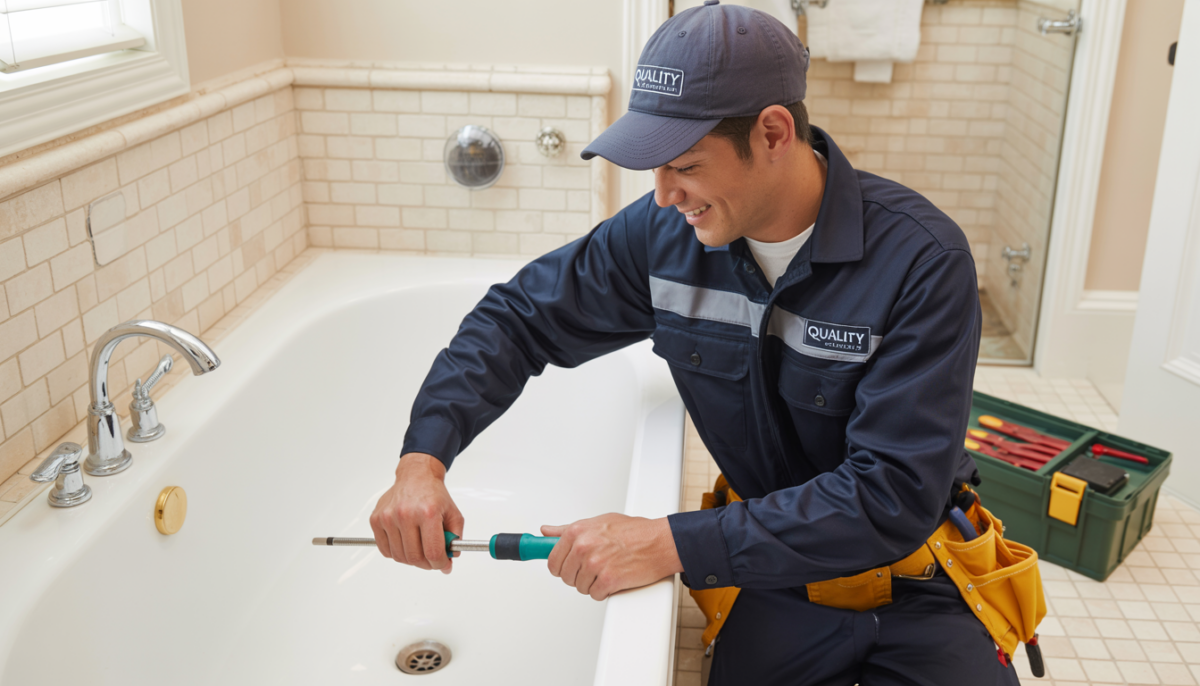
A bathtub that won’t drain can really disrupt your day and might even lead to bigger plumbing issues if not fixed quickly. Knowing the basics of your plumbing system can help you tackle this common problem effectively. By understanding how your bathtub’s drainage works, you can take the right steps to resolve the issue and prevent it from happening again.
This guide offers practical tips to handle bathtub drainage problems, so you can enjoy a smoothly functioning bathroom without the extra stress.
Get to Know Your Plumbing
Before jumping into solutions, it’s useful to understand the basic plumbing system related to bathtubs. Your bathtub’s drainage is part of a larger network of pipes that remove wastewater from your home. Here’s a simple overview:
- Drain Pipe: The main pipe that carries water away from the tub.
- Trap: A U-shaped pipe below the bathtub that holds water to block sewer gases from entering your home.
- Vent Pipe: Allows air into the plumbing system, helping water flow smoothly through the pipes.
By knowing these parts, you can better spot potential issues causing your bathtub not to drain. For more on plumbing basics, visit Plumbing Basics | HowStuffWorks.
Why Your Bathtub Might Not Drain
Understanding common causes can help you fix the problem easily. Here are some typical reasons for a clogged bathtub:
- Hair: Hair is a frequent culprit. It can gather over time and form a tangled mass that blocks water flow.
- Soap Scum: Soap residue can build up and mix with hair and other debris, leading to a stubborn clog.
- Foreign Objects: Small items like jewelry or toys can accidentally fall into the drain, causing blockages.
These issues can significantly affect water flow, resulting in slow drainage or a complete blockage.
Unclogging Your Bathtub Drain Safely
If you’re facing a clogged bathtub, there are safe and environmentally friendly methods to try before using strong chemicals. Here’s a step-by-step guide:
- Boiling Water: Pour boiling water down the drain in stages to help dissolve soap scum and loosen hair.
- Baking Soda and Vinegar: Pour a cup of baking soda followed by a cup of vinegar into the drain. Let it sit for 15-20 minutes, then flush with hot water. This natural reaction can clear clogs.
- Plunger: Use a plunger to create suction and dislodge the clog. Ensure there’s enough water in the tub to cover the plunger’s bell for better results.
- Drain Snake: If the clog persists, use a drain snake to reach deeper blockages. Insert it into the drain and twist to break up the clog. For more tips, visit Effective Tips to Unclog Bathroom Sinks.
These methods are effective and safe for your plumbing and the environment. If the problem persists, it might be time to call a professional plumber.
Preventing Future Bathtub Clogs
Keeping your bathtub drain clear is about preventing clogs before they happen. Here are some easy ways to stop future clogs:
- Use a Drain Cover: Prevent hair and debris from entering the drain with a drain cover. This inexpensive tool can catch hair and soap scum before they become a problem.
- Regular Cleaning: Regularly clean your bathtub and drain to remove any buildup of soap scum or small debris.
- Flush with Hot Water: Pour hot water down the drain weekly to help dissolve any soap residue or oils.
- Mind What Goes Down the Drain: Avoid letting large amounts of hair or foreign objects go down the drain.
- Regular Plumbing Maintenance: Schedule regular plumbing check-ups to catch problems early. For more on plumbing maintenance, see How to Prevent and Fix a Clogged Drain Line in Your Home.
When to Call a Professional Plumber
While many clogs can be managed at home, sometimes it’s best to call in the experts. Here’s when to consider calling a plumber:
- Persistent Clogs: If home remedies don’t work and the bathtub still isn’t draining properly, it’s time to call a plumber. Persistent clogs may indicate a deeper issue.
- Slow Draining: If water drains slowly despite your efforts, it could be a sign of a significant blockage.
- Unusual Noises or Smells: Gurgling noises or unpleasant odors from the drain are indicators of a more serious plumbing issue.
- Multiple Drains Affected: If more than one drain in your home is slow or clogged, it might be a sign of a larger problem in your plumbing system. For expert advice, visit Expert Tips for Plumbing Emergencies.
At Quality Cooling & Heating, our professional plumbing services are designed to handle these tough situations efficiently and effectively. Our team is equipped with the knowledge and tools to address any plumbing concern, ensuring your home remains comfortable and problem-free.
Conclusion: Keep Your Home Comfortable Year-Round
To ensure a smooth-running household, understanding the basics of plumbing and addressing issues like a bathtub not draining swiftly is essential. Regular maintenance, like using drain covers and cleaning, can prevent future clogs, helping maintain your home’s comfort.
Sometimes, even with the best care, persistent drainage issues arise. Knowing when to call a professional plumber is crucial. Quality Cooling & Heating offers expert plumbing services to resolve severe drainage problems, ensuring your home remains a haven of comfort. For homeowners in the Greater Austin and Abilene areas, Quality Cooling & Heating is your reliable partner in maintaining a comfortable and safe living environment. We are dedicated to providing top-notch services that meet your plumbing and HVAC needs, year-round.
 Uncategorized
Affordable Air Conditioner Repair Prices in Georgetown & More
For homeowners in the Greater Austin area and Abilene, knowing air conditioner repair prices is essential. With Texas's…
 Uncategorized
Expert HVAC Tuneup for Texas Weather | Abilene Maintenance
Living in Texas means dealing with a climate that swings from scorching heat to unexpected cold snaps. For…
 Uncategorized
Expert HVAC Repairs for Abilene & Georgetown Homes
Welcome to the heart of Texas, where Abilene homeowners know the value of a comfortable home. At the…
 Uncategorized
Replacing Hot Water Tank in Georgetown, TX & Nearby Areas
Keeping your home comfortable with a reliable hot water system is essential. If your hot water tank is…