
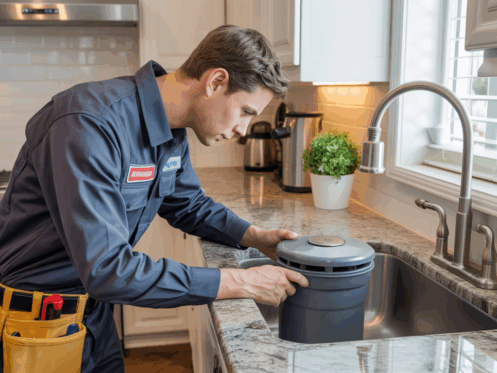
In today’s kitchens, garbage disposals play a vital role in managing food waste efficiently. When your garbage disposal isn’t working, it can disrupt your daily routine. Understanding common issues and knowing how to troubleshoot them is essential for keeping your kitchen running smoothly.
Here are some common reasons why your garbage disposal might not be working:
- Clogs: Over time, food particles and debris can build up, causing blockages.
- Jams: Hard or stringy foods like bones or celery can jam the blades.
- Electrical Issues: A tripped circuit breaker or blown fuse can cut power to the unit.
- Unusual Noises: Strange sounds may indicate a foreign object is stuck or parts are loose.
- No Power: If the disposal doesn’t turn on, there may be a motor or power issue.
Recognizing these symptoms can help you diagnose the problem. Let’s explore some troubleshooting steps to get your disposal back in working order.
Troubleshooting Your Garbage Disposal
When your waste disposer isn’t working, it can be frustrating. With patience and the right steps, you can often resolve the issue yourself. Here’s how:
Safety First
Before starting any troubleshooting, ensure your safety:
- Turn off the power to the disposal at the circuit breaker.
- Use a flashlight to inspect inside the unit, never your hands.
- Wear safety gear if necessary.
- For more safety tips, visit 10 Essential Plumbing Safety Tips.
Step-by-Step Troubleshooting
- Check for Power: Ensure the unit is plugged in and the circuit breaker is not tripped.
- Reset the Disposal: Press the reset button at the bottom of the unit to fix minor issues.
- Inspect for Jams: Use a hex key to manually turn the blades and clear obstructions.
- Clear Clogs: If water isn’t draining, use a plunger or plumbing snake to remove the blockage.
- Listen for Noises: If you hear unusual noises, carefully remove any foreign objects using pliers or tongs.
If these steps don’t resolve the issue, it might be time to call a professional. Quality Cooling, Heating & Plumbing offers expert services to get your kitchen back on track. For emergency plumbing services, visit our emergency services page.
Preventive Measures for a Smooth-Running Disposal
Regular maintenance can prevent your disposal from not working. Here are some tips to keep it in top shape:
- Run Cold Water: Use cold water before, during, and after using the disposal to help solidify grease and oils.
- Avoid Hard Foods: Keep bones, onion skins, and celery out of the disposal to prevent jams.
- Clean Regularly: Use a mix of baking soda and vinegar to clean and deodorize the unit.
- Use It Regularly: Frequent use prevents rust and corrosion.
- For more maintenance tips, check out Garbage Disposal Maintenance Tips.
By following these preventive measures, you can extend the lifespan of your garbage disposal. For professional maintenance services, reach out to Quality Cooling, Heating & Plumbing. Learn more about our services in Georgetown and Abilene.
The Environmental Benefits of Using a Garbage Disposal
Garbage disposals offer environmental benefits beyond convenience:
- Reduced Waste: They decrease the waste sent to landfills by grinding food scraps, allowing them to be processed into energy or fertilizer.
- Lower Greenhouse Gases: Disposals help reduce methane emissions by diverting food waste from landfills.
- Resource Conservation: Wastewater treatment plants can turn food waste into renewable energy.
For more details on these benefits, visit Happy Plumbing’s blog.
Final Thoughts
Maintaining a properly functioning garbage disposal is key to a smooth-running kitchen. By troubleshooting issues and taking preventive measures, you can extend the life of your unit and enjoy its environmental benefits.
For those in the Greater Austin area and Abilene, consider professional services for regular maintenance and emergency repairs. Quality Cooling, Heating & Plumbing offers reliable plumbing services to keep your home comfortable and safe. To learn more or schedule a service, visit qualitycool.com.
