
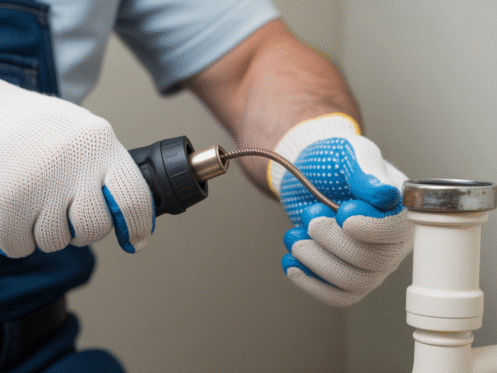
At Quality Cooling, Heating & Plumbing, we know that a smoothly running home is key to comfort. A clogged drain can lead to slow water flow and unpleasant smells, but you can avoid these issues by learning how to snake a drain. This eco-friendly method uses a flexible tool to clear blockages without harsh chemicals. Let’s dive into the process and share some tips to keep your drains in top shape.
Understanding Drain Plumbing Basics
Knowing a bit about your home’s plumbing can make a big difference when tackling clogs. Your drain system is designed to move waste water away efficiently, consisting of pipes that connect sinks, showers, and toilets to the main sewer or septic system. Understanding this layout helps you pinpoint problem areas and apply solutions like snaking effectively.
For a fascinating look at the evolution of plumbing, explore The History of Plumbing – Timeline Infographic by SafePlumbing. It provides context on how modern systems have developed over time.
Why Snaking Beats Chemical Cleaners
Choosing the right method for clearing drains is vital. Snaking offers several benefits over chemical cleaners:
- Eco-Friendly: Avoid harmful chemicals that can damage the environment and your pipes. Snaking is a safe alternative.
- Safe for You: Chemical fumes and skin irritation are risks you avoid with snaking.
- Effective: Snaking physically removes tough clogs that chemicals might not clear.
For more on the environmental impact of chemical cleaners, visit The Environmental Impact of Chemical Drain Cleaners.
Step-by-Step Guide to Snaking a Drain
Snaking a drain can be straightforward with the right steps:
- Gather Tools: You’ll need a drain snake, bucket, and gloves. Choose the right snake size for your drain.
- Prepare: Place a bucket under the drain and wear gloves to protect your hands.
- Insert the Snake: Slowly feed the snake into the drain, turning the handle clockwise to advance it.
- Break the Clog: When you feel resistance, turn the handle to break up the clog.
- Remove the Snake: Carefully pull out the snake, removing debris with it. Dispose of debris properly.
- Flush the Drain: Run hot water to clear remaining particles.
Always follow safety precautions. For more tips, visit Safety Tips for Home DIY Projects – This Old House.
If you encounter persistent issues, consider reaching out to professionals like Quality Cooling, Heating & Plumbing for assistance.
Special Tips for Snaking a Sink
Sinks can be tricky due to food bits and soap scum. Here’s how to tackle them:
- Clear Debris: Remove visible debris like food scraps or hair before snaking.
- Choose the Right Snake: A smaller, flexible snake is best for navigating sink pipes.
- Check the P-Trap: Remove the P-trap to clear clogs if needed.
- Be Gentle: Use gentle motions to avoid pipe damage.
- Flush with Water: After snaking, flush with hot water.
Maintenance Tips for Clean Drains
Regular maintenance helps prevent clogs. Here are some tips:
- Flush Regularly: Run hot water through your drains weekly.
- Natural Cleaners: Use baking soda and vinegar for a natural clean.
- Install Screens: Mesh screens can catch debris before it enters pipes.
- Check for Leaks: Regularly inspect under sinks for leaks or wear.
- Professional Help: Schedule inspections with Quality Cooling, Heating & Plumbing to keep your system in top condition.
Conclusion: Keep Your Drains Flowing
Maintaining clean drains is essential for a comfortable home. By using snaking techniques, you can handle clogs safely and effectively. Here’s a recap:
- Understand your plumbing to manage clogs better.
- Choose snaking over chemicals for a safer, eco-friendly option.
- Follow our guide to snake your drain with confidence.
- Special care is needed for sink clogs.
- Regular maintenance keeps your drains clear.
For ongoing issues or complex plumbing needs, reach out to Quality Cooling, Heating & Plumbing. Our team is here to ensure your home remains comfortable and safe.
