
Hot water is a necessity in every home, and when it stops working, it can really throw off your routine. Whether you’re looking to enjoy a soothing shower, wash dishes, or do laundry, hot water is key to comfort. Let’s explore some common plumbing issues that might cause your hot water to stop working and provide practical solutions to get things back on track.
Common Reasons Why Hot Water Is Not Working
When your hot water system fails, it often boils down to a few common issues. Understanding these can help you troubleshoot more effectively:
- Power Supply Problems: If you have an electric water heater, check the power supply. A tripped circuit breaker or a blown fuse can cut off power to the heater.
- Faulty Hot Water Element: The heating element in your water heater can wear out over time, leading to a lack of hot water.
- Thermostat Issues: The thermostat controls the water temperature. If it’s malfunctioning, your water might not reach the desired temperature. For more details, visit Water Heater Not Getting Hot? Here’s Why.
Troubleshooting Hot Water Plumbing
With a bit of knowledge, you can often diagnose and fix common plumbing problems. Here’s a simple guide to help you:
- Check the Power Supply: Ensure your water heater is getting power. For electric heaters, check the circuit breaker and reset it if needed. For gas heaters, make sure the pilot light is on.
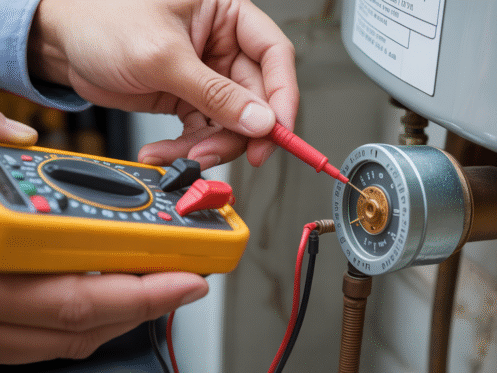
- Inspect the Hot Water Element: Over time, the hot water element can wear out. Turn off the power to the heater, then use a multimeter to check the element’s continuity. If it’s faulty, it needs replacing.
- Examine the Thermostat: A malfunctioning thermostat can prevent your water from heating properly. Make sure it’s set between 120-140 degrees Fahrenheit. Test it with a multimeter and replace it if it’s not working. For more troubleshooting tips, visit Troubleshooting Tips for When There’s No Hot Water in Your Tankless Water Heater.
Remember, safety is crucial when working with hot water systems. Always turn off the power before starting repairs and call a professional if you’re unsure.
Addressing a Hot Water Tank Relief Valve Leaking
The relief valve on your hot water tank releases pressure if it gets too high. If you notice it leaking, it’s important to address it quickly.
- Understand the Function: The relief valve prevents excessive pressure build-up by releasing water when necessary. A leak might mean the pressure is too high or the valve is broken.
- Inspect the Valve: Check the valve for any visible damage or debris. Ensure it’s closed tightly. Sometimes, simply opening and closing the valve can clear any blockages.
- Consider Replacement: If the valve continues to leak, it may need replacing. It’s best to let professionals handle this to ensure safety and proper installation.
If the leak persists, it’s advisable to contact a professional plumber. Quality Cooling, Heating & Plumbing offers expert services to ensure your hot water system operates smoothly and safely. Visit our website for more information.
How to Drain Your Water Heater Safely
Draining your water heater is important for keeping it efficient and preventing sediment build-up. Follow these steps to safely do this at home:
- Turn Off the Power: For electric heaters, switch off the power at the circuit breaker. For gas heaters, turn the thermostat to the ‘pilot’ setting.
- Shut Off the Water Supply: Find the cold water valve at the top of the heater and turn it off to stop water from entering.
- Connect a Hose: Attach a garden hose to the drain valve located at the bottom of the heater. Make sure the other end of the hose is in a good drainage spot.
- Open the Drain Valve: Carefully open the drain valve to allow water to flow out. Be cautious as the water may be hot.
- Flush with Cold Water: Once the tank is empty, briefly turn the cold water supply back on to flush out any remaining sediment.
- Close the Valves: Turn off the drain valve and detach the hose. Then, turn the cold water supply back on.
- Restore Power: Finally, turn the power back on at the circuit breaker or reset the thermostat to the desired setting.
Draining your water heater regularly can make it last longer and work better. For more maintenance tips, visit 9 Tips to Maintain Your Hot Water System.
Considering a New Water Heater
Sometimes, despite your best efforts, it might be time to consider replacing your water heater. Here are some signs that indicate it might be time for an upgrade:
- Age: If your water heater is over 10 years old, it may be nearing the end of its useful life.
- Efficiency: Older models may not be as energy-efficient, leading to higher utility bills.
- Frequent Repairs: Consistent issues and repairs can be a sign that a new unit is more cost-effective.
When choosing a new water heater, consider energy-saving options like tankless models or those with high energy ratings. These options can help you save money in the long run. For more information on selecting energy-efficient models, visit the Department of Energy’s guide on selecting a new water heater. For efficient hot water heater replacement, visit Efficient Hot Water Heater Replacement in Georgetown & Beyond.
Understanding Water Heater Warranties
When it comes to making decisions about repairing or replacing a water heater, understanding the warranty can be crucial. A water heater warranty is essentially a promise from the manufacturer or installer that the product will perform as expected for a certain period. Here’s why it’s important to get familiar with these warranties:
- Coverage Details: Know what parts and labor are covered. Some warranties might cover only specific components, while others offer more comprehensive protection.
- Duration: Warranties can vary in length. Typically, they range from 3 to 12 years, depending on the brand and model.
- Conditions: Be aware of any conditions that could void the warranty, such as improper installation or lack of regular maintenance.
- Transferability: If you sell your home, a transferable warranty can be a selling point, as it provides assurance to the new owners.
For more detailed insights on water heater warranties, you can explore What’s a Water Heater Warranty and How Does It Work?
Ensuring Reliable Hot Water with Quality Cooling, Heating & Plumbing
Maintaining a reliable hot water system is essential for the comfort and convenience of your home. Regular maintenance and timely repairs can prevent unexpected breakdowns and ensure your system runs efficiently. Here’s a quick recap of the key points:
- Address common issues like power supply or thermostat problems promptly.
- Regularly inspect and maintain components such as the hot water element and relief valve.
- Consider the age and efficiency of your water heater to determine if replacement is necessary.
- Understand your water heater warranty to make informed repair or replacement decisions.
At Quality Cooling, Heating & Plumbing, we are committed to providing top-notch plumbing services to keep your hot water systems in excellent condition. Whether you need routine maintenance or emergency repairs, our team is here to help. We pride ourselves on our dedication to customer satisfaction and our ability to provide reliable solutions for homeowners in the Greater Austin area and Abilene.
Don’t let hot water issues disrupt your life. Contact us today for professional assistance and ensure your home’s comfort and efficiency are always at their best.
