
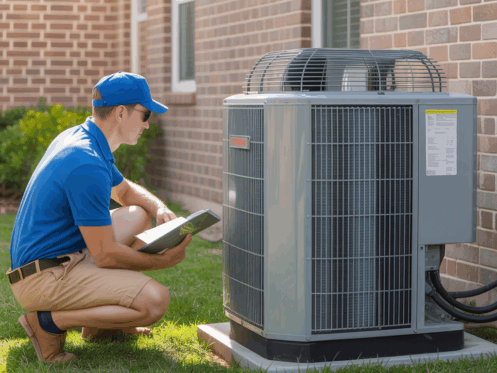
When your air conditioner is running but not cooling, it can make your home uncomfortable, especially during the hot Texas summers. This issue not only affects your comfort but can also increase your energy bills as your AC works harder without cooling effectively. Residents in areas like Georgetown, Cedar Park, Brushy Creek, and other nearby Texas communities often face this problem. Understanding the common causes and solutions can help keep your home comfortable. For more information, visit AC Running But Not Cooling? Fix It Now | Quality Cooling and Heating.
Understanding How Air Conditioners Work
To understand why your AC might not be cooling, it’s helpful to know how these systems work. An air conditioner cools your home by moving heat from inside to outside. This process involves several key components:
- Compressor: Circulates cooling fluid between the indoor and outdoor units.
- Condenser Coil: Releases absorbed heat outside.
- Evaporator Coil: Absorbs heat from the indoor air.
- Cooling Fluid: Transfers heat from inside your home to the outside.
- Fans: Help move air over the coils and throughout your home.
For a deeper dive into these components, check out How Air Conditioners Work | HowStuffWorks. This knowledge can be invaluable for troubleshooting your air conditioning system.
Common Reasons for AC Not Blowing Cold Air
Knowing the common reasons behind this issue can help you address it effectively. Here are a few typical culprits:
- Dirty Filters: Clogged filters restrict airflow and reduce efficiency. Regularly check and replace them to maintain performance.
- Cooling Fluid Leaks: Essential for cooling air, leaks require professional repair.
- Thermostat Issues: Ensure it’s set correctly and functioning properly.
- Blocked Condenser Unit: Leaves and debris can block the outdoor unit, affecting its ability to cool air.
- Electrical Problems: Faulty wiring or circuit breakers can impact your AC’s performance.
For more insights, visit the Department of Energy’s guide on common air conditioner problems.
Troubleshooting Your AC System
If your AC isn’t blowing cold air, try these steps before calling an expert:
- Check the Thermostat: Ensure it’s set to “cool” and the temperature is lower than the room’s current temperature.
- Inspect Air Filters: Replace them if necessary to ensure good airflow.
- Examine the Circuit Breaker: Reset it if it has tripped.
- Clear the Condenser Unit: Remove debris to improve airflow.
- Check for Ice on the Coils: If you see ice, turn off the AC to let it thaw, indicating a possible cooling fluid issue.
If these steps don’t resolve the issue, it might be time to call in the experts. Safety first! If you’re unsure, consult a professional.
Repair AC Units & When to Call a Professional
While some issues can be resolved with DIY troubleshooting, expert help is sometimes necessary. Here’s how to decide:
- Simple Fixes: Check for simple issues like a tripped circuit breaker or incorrect thermostat settings before calling a professional.
- Cooling Fluid Leaks: These require professional repair due to the specialized tools and expertise needed.
- Mechanical Issues: Problems like unusual noises or a unit that won’t turn on typically require professional repair.
At Quality Cooling, Heating & Plumbing, we provide reliable HVAC services to address complex mechanical failures and other issues. Contact us for professional assistance.
Preventive Measures to Keep Your AC Cooling
Regular upkeep is key to keeping your AC running efficiently. Here are some tips:
- Regular Maintenance: Schedule checks with a professional to identify potential issues early.
- Filter Replacement: Replace or clean air filters every 1-3 months to improve air quality and efficiency.
- Clean the Coils: Regular cleaning helps maintain optimal cooling performance.
- Check the Thermostat: Ensure it’s working correctly and consider upgrading to a programmable model.
- Seal Leaks: Seal any ductwork leaks to prevent cool air from escaping.
For more maintenance strategies, refer to the Department of Energy’s Air Conditioning guidelines and explore 8 Tips for Making Your AC Unit More Energy Efficient.
Special Considerations for Texas Residents
Living in Texas presents unique challenges for keeping your home cool. Here are some considerations:
- High Temperatures: Regular check-ups ensure your system can handle the heat efficiently.
- Humidity Levels: Use a dehumidifier to improve comfort and reduce the load on your AC.
- Energy Efficiency: Invest in energy-efficient AC units and ensure your home is well-insulated.
- Regular Maintenance: Schedule check-ups with professionals like Quality Cooling, Heating & Plumbing.
Ensuring Comfort with Quality Cooling, Heating & Plumbing
Keeping your home comfortable in Texas requires a reliable HVAC partner. At Quality Cooling, Heating & Plumbing, we understand the challenges faced by homeowners in the Greater Austin and Abilene areas. We offer:
- Expert HVAC Services: From installations to repairs, we handle all your air conditioning needs.
- Emergency Services: We offer prompt response times for emergency repairs.
- Plumbing Solutions: We also provide plumbing solutions for any water-related issues.
Don’t let the Texas heat get the best of you. Contact Quality Cooling, Heating & Plumbing today for professional assistance. For more information on the costs of replacing your air conditioning unit, visit Understanding the Cost of Replacing Your Air Conditioning Unit and Furnace: A Guide for Homeowners.
